KAZE NO DENWA, The Wind Telephone
An introduction to the project: how it began, why Mieko Kawakami’s writing belongs onstage, and the physical and sonic world we’re building.
How the project began
The project started with a real place and grew through Mieko's way of writing about memory. Photos from the research trip to Otsuchi with Mieko.
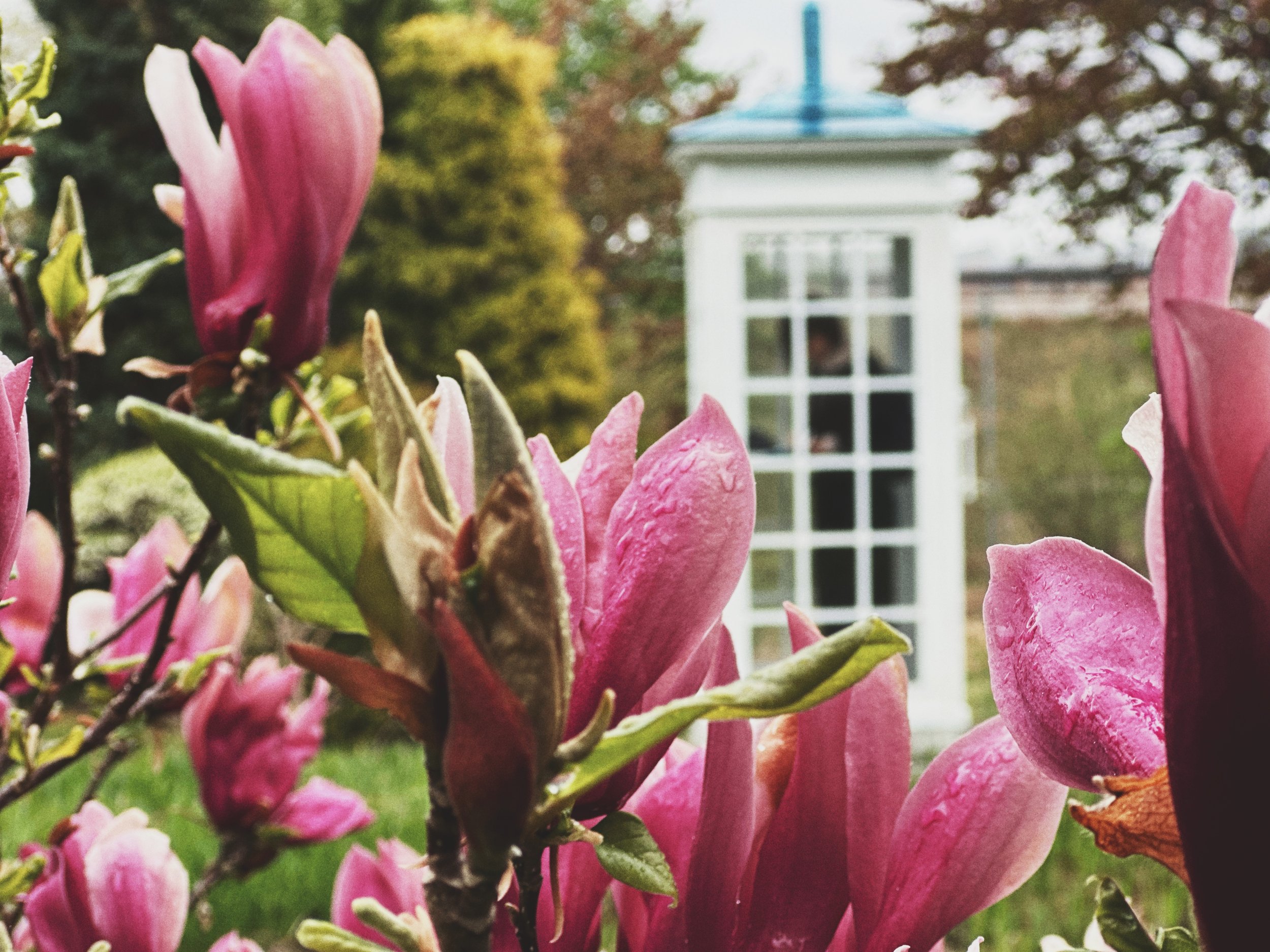
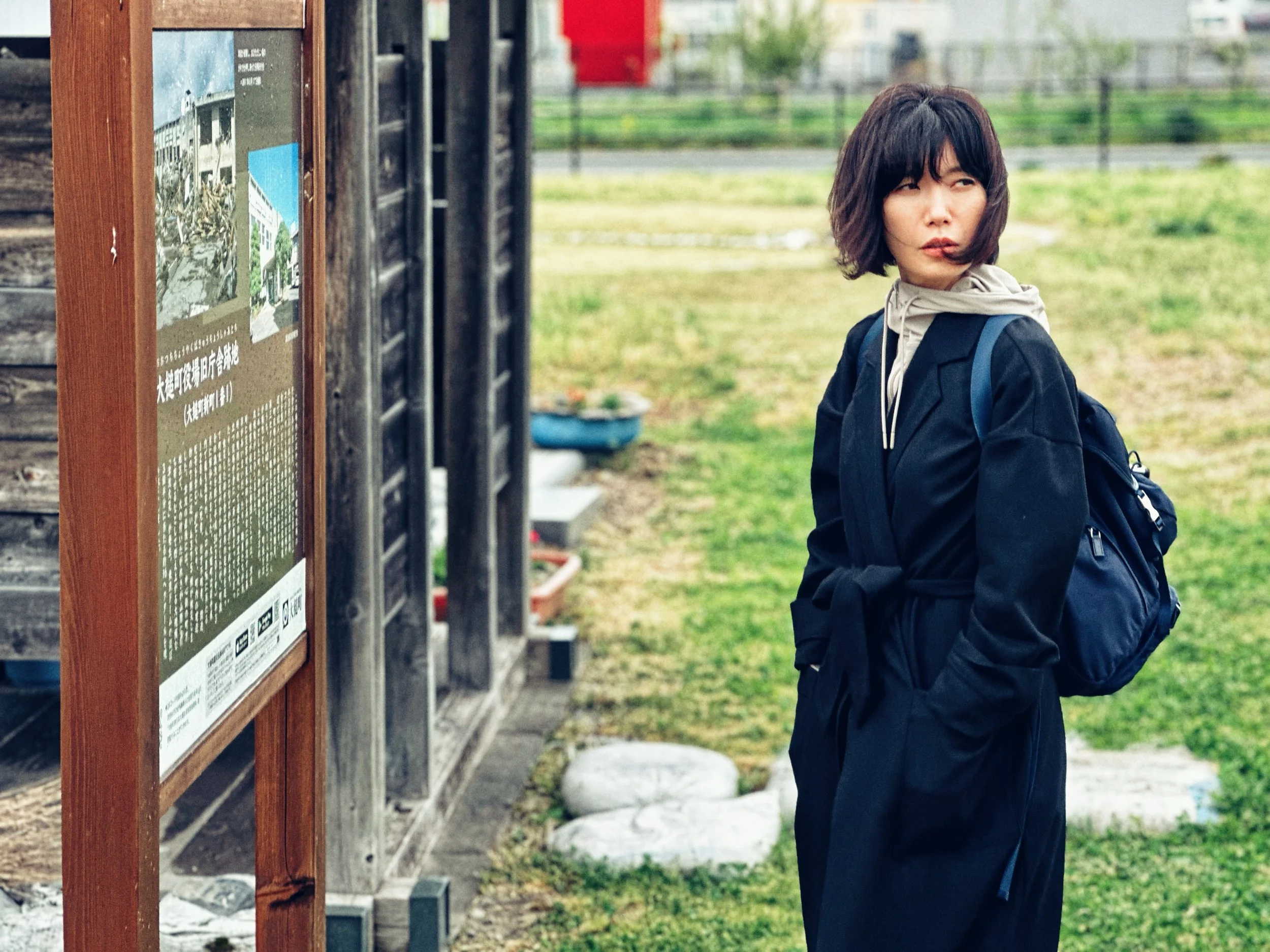
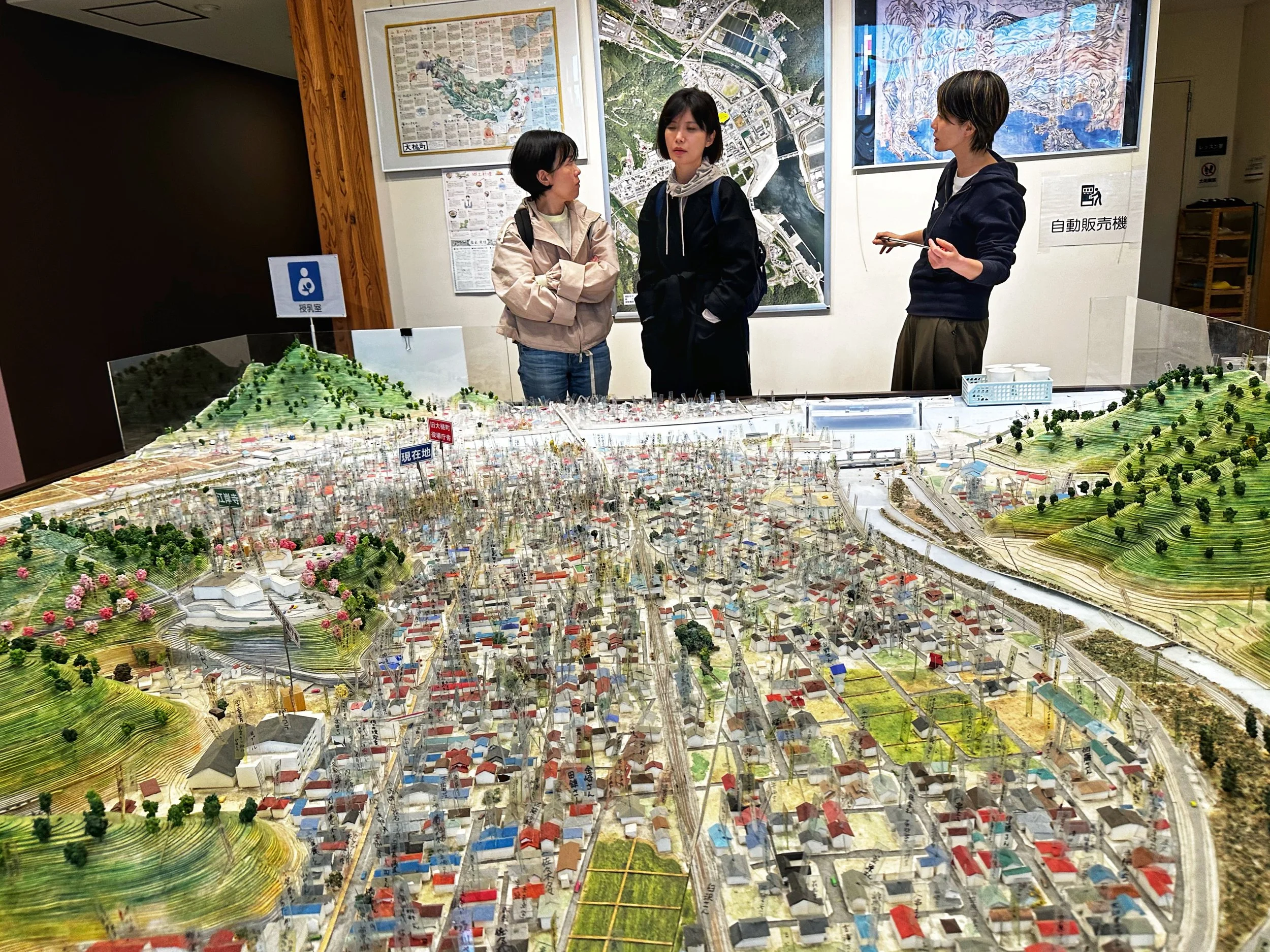
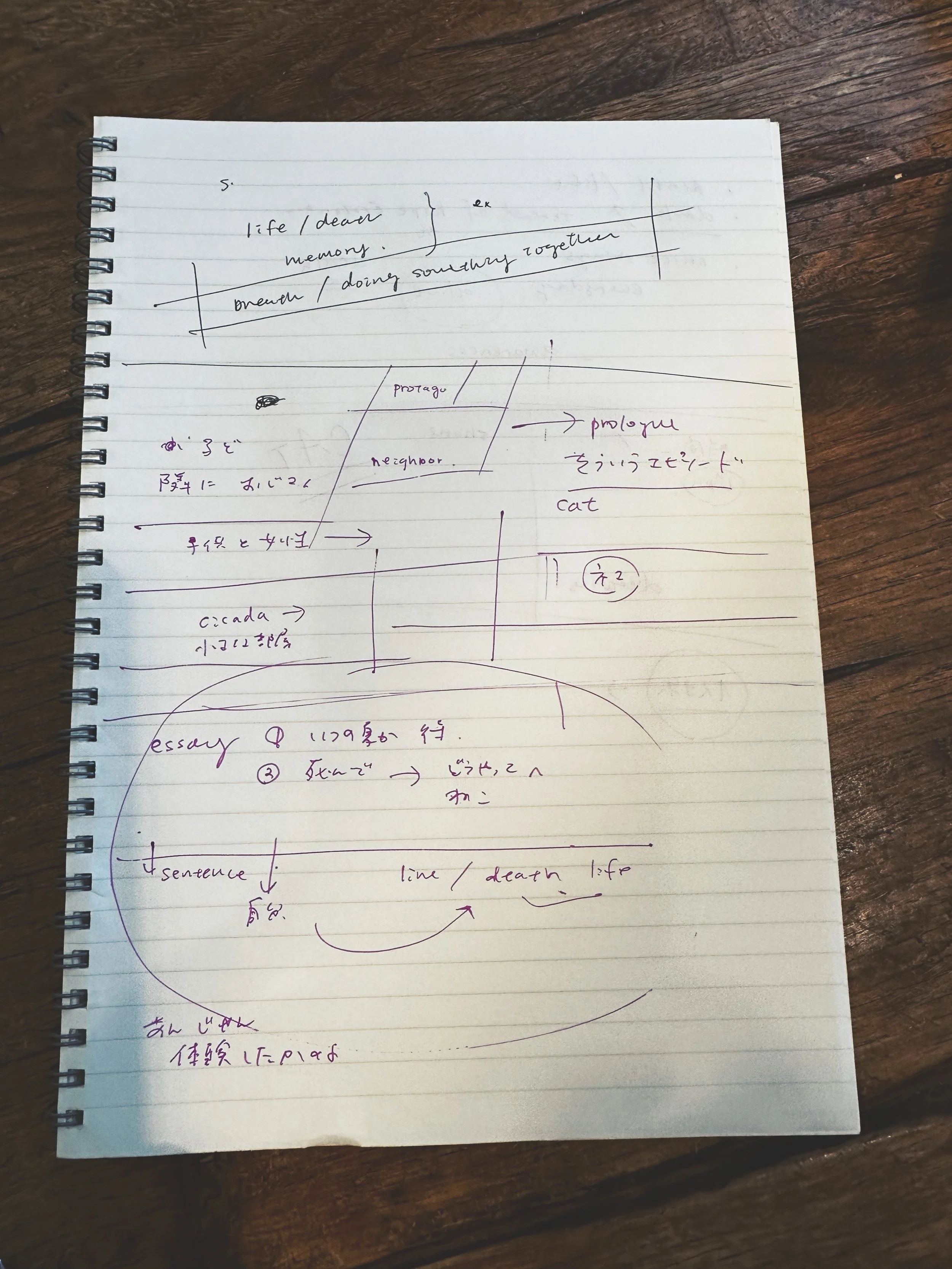
A. The spark: This American Life, "Really Long Distance."
B. Mieko's work: her novels and essays (including For That One Moment). What drew us in:
- Her connection with memory, and the line between being dead and alive
- Sensory storytelling
- Real cultural exchange as a theatrical experience
- Developing a new relationship with our own memory: mourning a memory
C. Research trip to Otsuchi with Mieko. Real-life moments that feed the piece:
- Stepping into the actual Wind Telephone
- The diorama
- Telephones buried under the ground: part of the ending of the real tsunami experience, as An calls her mother again and again with no answer
- Radios: the radio tower, radios and phones lost underground
- Tsunami cry: the group of women knitting
- Rajio taiso
- The taxi driver
Why Mieko's text onstage
Light, sound, temperature and proximity: visual references for bringing Mieko's sensory storytelling to the stage.
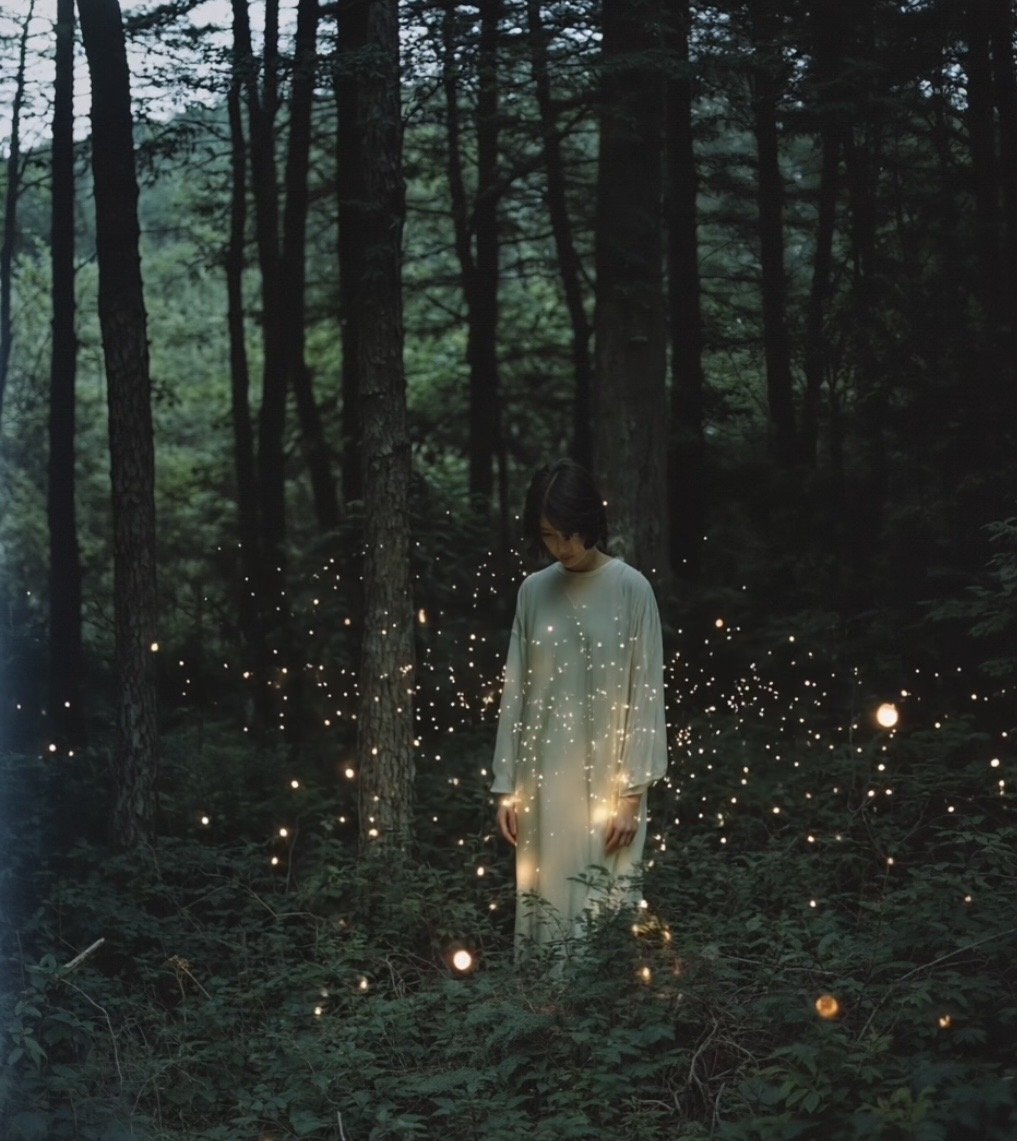
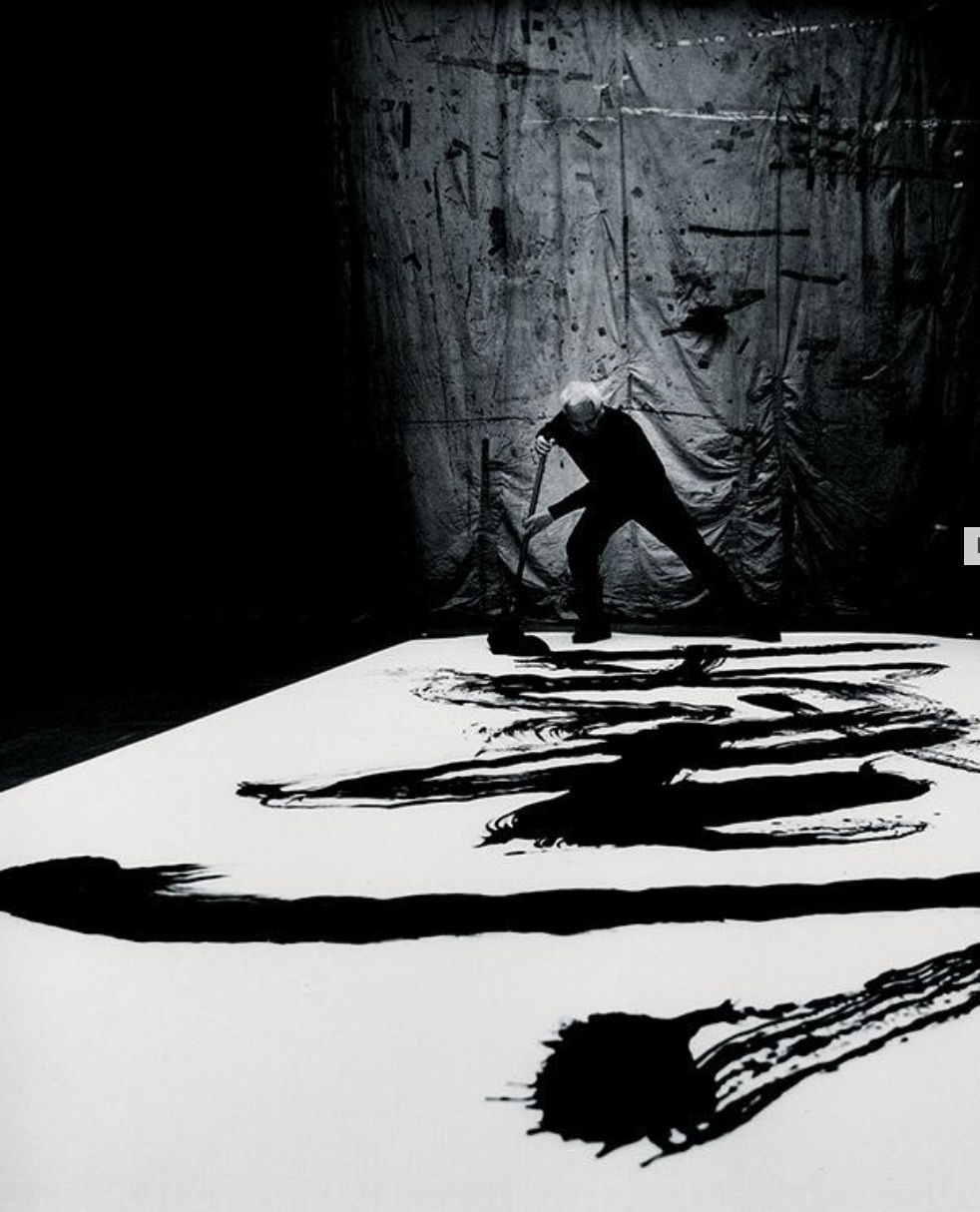
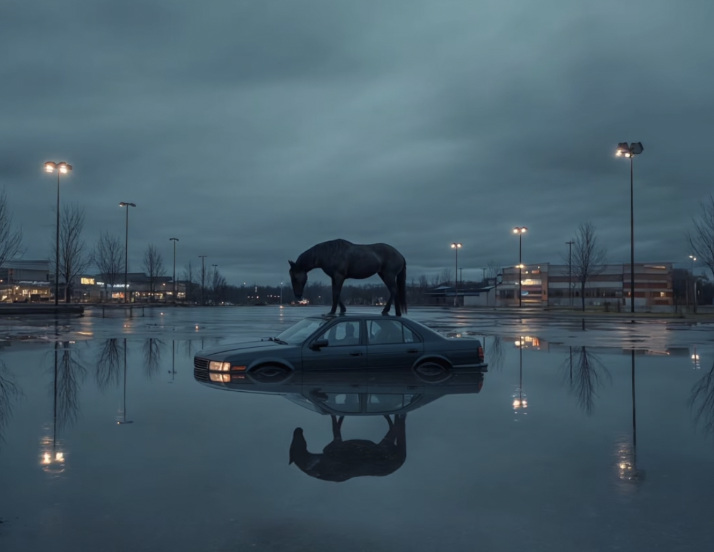
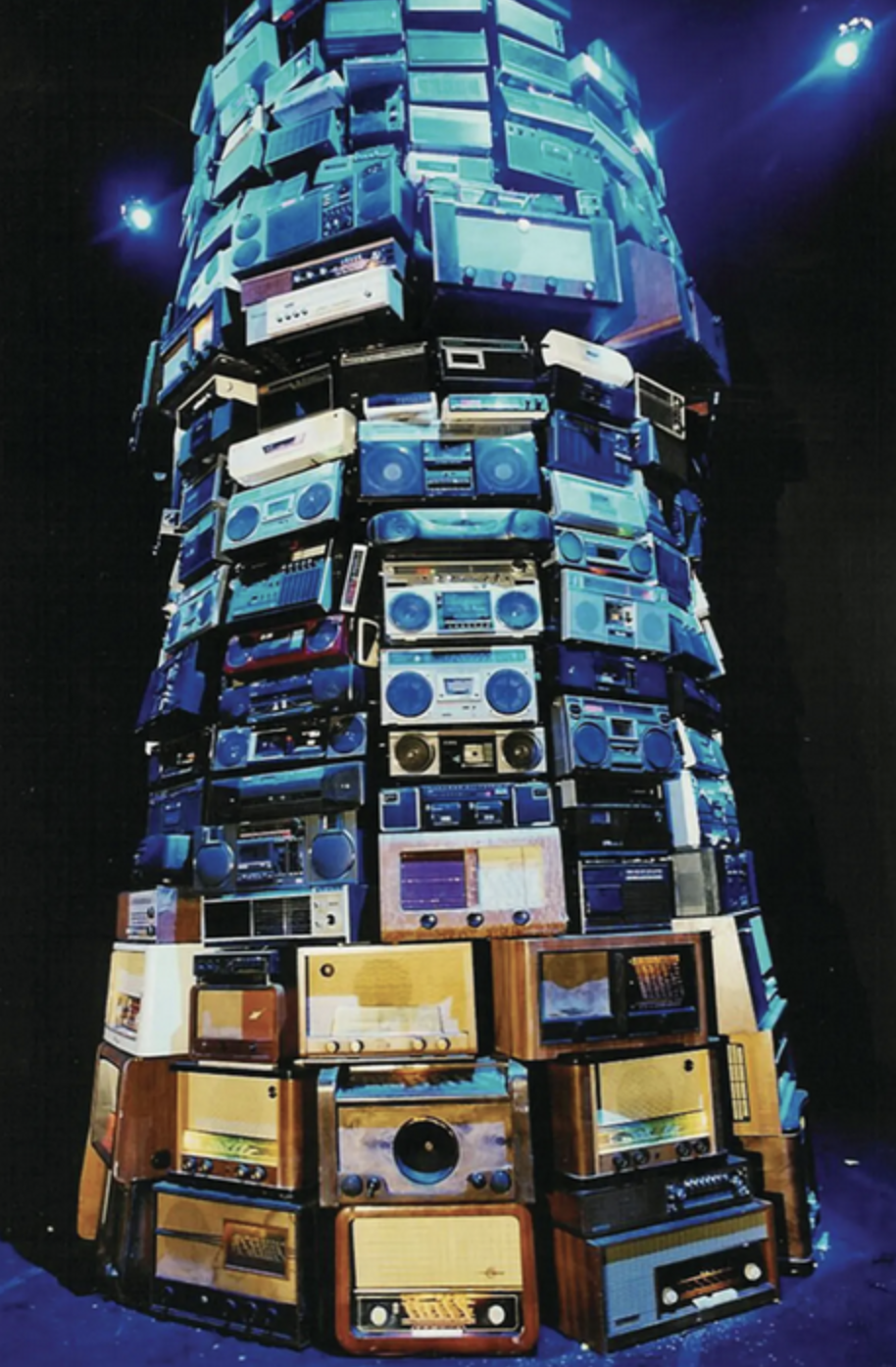
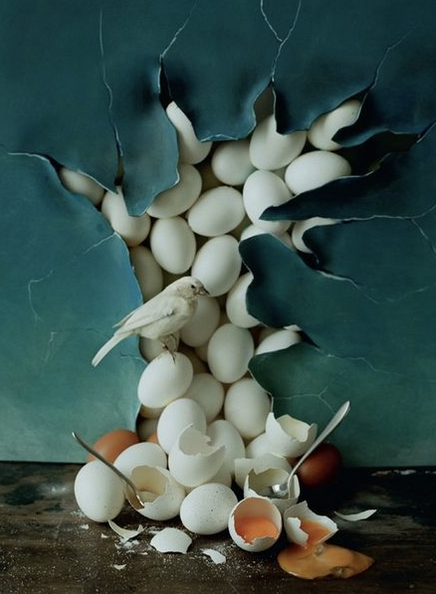
Mieko’s characters are always aware of light, sound, temperature and proximity. That changes how we engage with life as readers, and it can do the same for an audience. We find it where text, sonic storytelling, physicality and design meet.
Signature narrative tools:
- Surrealism and dreamlike states: reality bends to reveal deeper truths. Surreal imagery blurs reality and imagination, suggesting new ways to perceive memory and grief. Onstage, bodies and striking design merge past and present, built through close collaboration between text, music, movement and sound design.
- Sound, temperature and space: we connect with An, the lead of the three-character triangle, with all our senses. We hear particular sounds, feel the air and temperature on the body, sense how close or far people are, what a stairwell or bench feels like. These details mark time and place and make every moment a close-up. We live and breathe with the characters instead of watching from outside.
- Spiral change: song takes us into the inner conflict. The character starts in one place and ends somewhere else emotionally, doing something different (starts in conversation, ends writing a letter).
- Cut transitions and non-linear dialogue: scenes are left unfinished, characters mid-thought, and dialogue cuts to another place and time. This amplifies emotion and leaves room for interpretation. Onstage, cuts show passage of time and change of location in a heartbeat.
- Change seen through another character: we realize a character has changed through someone else’s perception of them.
- An attempt to change a memory
- The Momose / Yuriko intersection: the audience collides with all its own perceptions. We leave beaten up and wrung out, but expanded. How could the sonic structure support that?
- The Golden Record: it expands the audience in a very different way. The top of the ferris wheel was unexpected and life changing. It plays like slow motion, out of time and fully present. By the end, we realize we’re holding our breath, and our perceptions have flipped. Finding this story’s Golden Record moment is a stake in the ground: the moment the audience thinks about over and over after leaving the theater.
The physical and sonic world
The musical language is rooted in voice, rhythm and momentum, and it integrates Japanese instrumentation to create a distinct musical form.
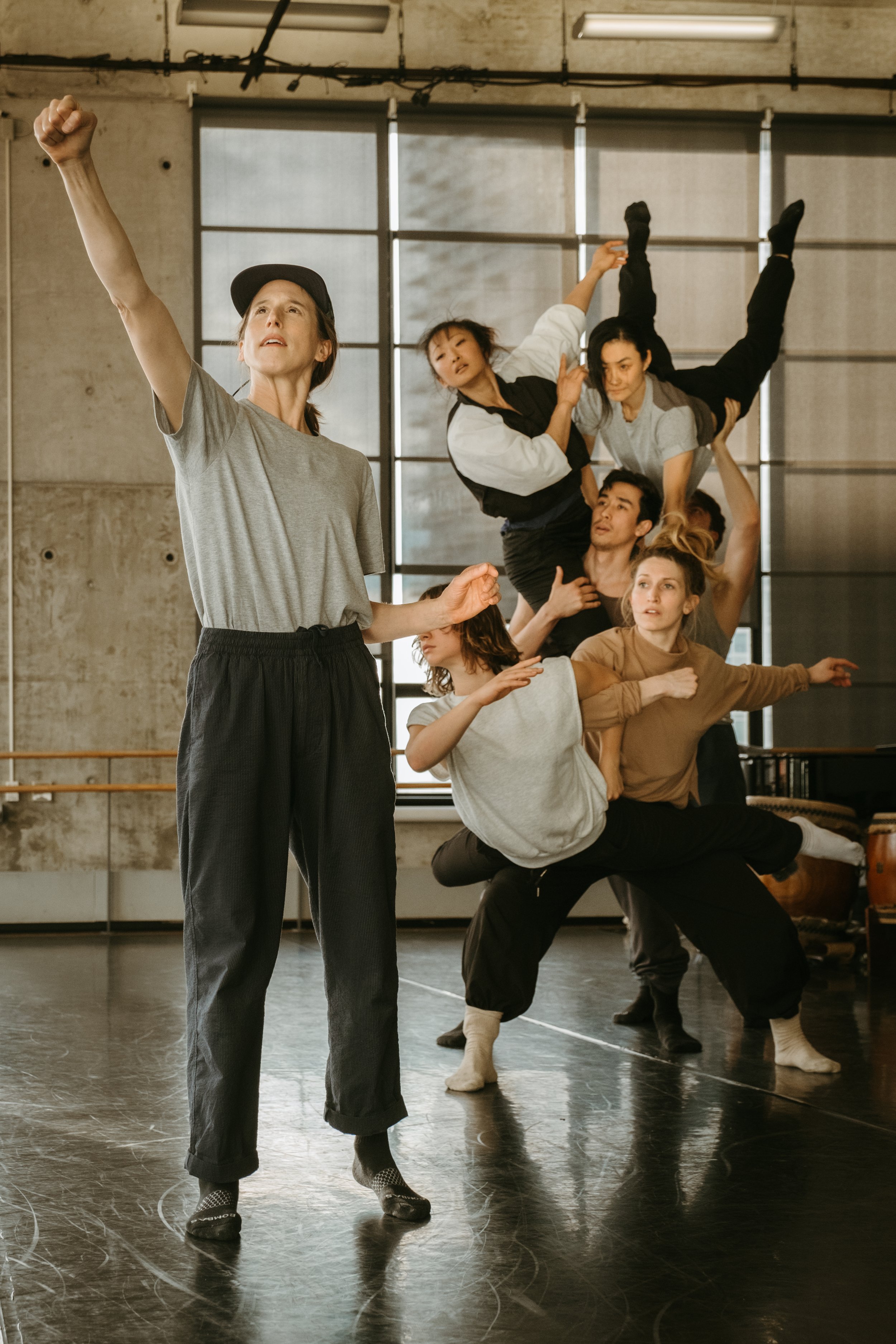
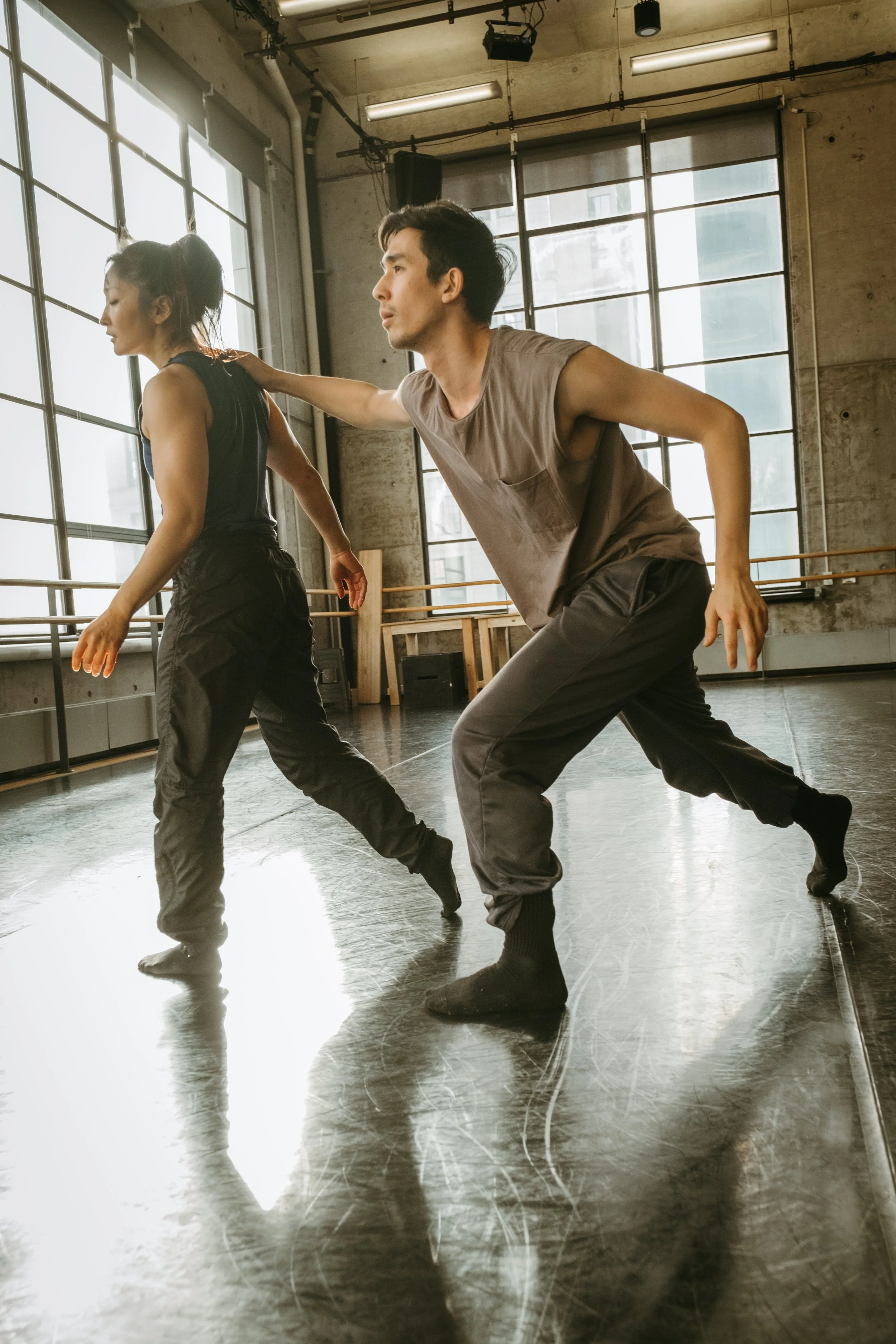
The sonic treatment: we’ve been tracking found songs as sonic holds through the whole show, beginning to end, and testing where those contemporary tracks meet Japanese instrumentation. The scope songs range from mid-tempo pop anthems and cinematic layering to electric grooves and global indie. Sonic & choreo treatment · Spotify playlist
Four moments from the treatment:
| Moment | Scope track | What it holds |
|---|---|---|
| Prologue: sonic overture | “Blink,” Ben Onono | Circle of radios; taiko as the heartbeat; radios sink into the ground |
| Hair Song | “Wonderful,” Tones and I | Mother doing An’s hair; hair becomes a wave |
| Toes to the Sea | “End of the Road,” Noga Erez | Factory transforms into sea; full-body calligraphy with mops |
| Tsunami Cry Circle | “Dance Monkey” (stripped back) | From a gesture of knitting; isolation but communal |
Text, physicality and music in tandem: each informs the others, as cohesive storytelling tools. The physicality is singular to the piece, bringing together Aikido technique, contemporary dance and the physicality of taiko drumming (An’s heartbeat).
Aikido note: Morihei Ueshiba shaped Aikido into a practice of peace and reconciliation in the years after World War II. It became a way to move through grief: instead of countering the attack, you harmonize with it. That is how An moves through her loss, and it grounds the physical language of the piece.
Baryshnikov Arts (BAC) residency, May 2026: most collaborators, including the musicians, met for the first time on Monday, May 11. Bringing together a new group from such different backgrounds was bold, and it opened expansive discoveries. In five days we developed 10 sections of the script through a sonic landscape of piano, taiko, Japanese fue, keyboard, trumpet, and electronic looping and layering.
Next steps: development and building the team
| When | What |
|---|---|
| Wed, Nov 11, 7pm | Mieko Kawakami at the Center for Fiction: Sisters in Yellow |
| Fri, Nov 13, 1pm | Tom and Mieko Meeting |
| Spring 2027 | BAC residency; ideal dates May 10 to 15, 2027 |
| Fall 2027/Winter 2028 | Full workshop |
Links